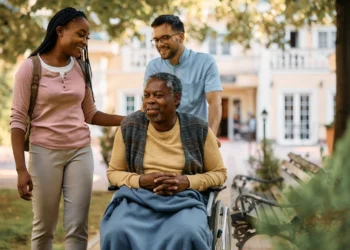





Caregiving compassion is often described as an act of service, but for many people, it becomes a life-changing journey that reshapes how they understand patience, empathy, and human connection.
Whether caring for an aging parent, a sick partner, a child with special needs, or someone recovering from illness, caregiving demands emotional endurance that few experiences can truly prepare someone for. It tests limits, exposes vulnerabilities, and at the same time reveals unexpected strength.
Many caregivers begin the journey believing they are simply helping another person. Over time, however, they realize the experience is also changing them.
Caregiving teaches lessons that extend far beyond hospitals, medications, and daily routines. It teaches compassion in its most practical form and patience in moments when frustration, exhaustion, or fear could easily take over.
Caregiving Compassion Begins With Presence
One of the first lessons caregiving teaches is that compassion is not always about having solutions.
Sometimes compassion means simply being present.
There are moments when caregivers cannot fix pain, reverse illness, or provide immediate answers. In those moments, sitting quietly beside someone, listening without judgment, or offering reassurance becomes more meaningful than words.
Modern life often encourages speed and efficiency. Caregiving slows everything down.
Conversations take longer. Daily tasks require more attention. Simple routines become deliberate acts of care.
That slowing down changes perspective. It teaches people to notice emotions, body language, and unspoken needs that are often overlooked in busy daily life.
Compassion grows through those quiet interactions.
Patience Is Learned Through Repetition
Patience is rarely developed instantly. Caregiving teaches it gradually through repetition and responsibility.
Caregivers often repeat the same conversations, reminders, or routines many times. They help with medications, appointments, meals, mobility, and emotional support day after day.
At times, exhaustion can make patience feel difficult.
But caregiving reveals that patience is not passive. It is active emotional discipline.
True patience means responding calmly even when situations become emotionally overwhelming. It means understanding that another person’s frustration, confusion, or fear may come from pain rather than intention.
Over time, caregivers learn to pause before reacting. They become more understanding, more emotionally aware, and more capable of handling difficult situations with grace.
Those lessons often influence every other relationship in life.
Caregiving Reveals Human Vulnerability
Caregiving also changes how people understand vulnerability.
Many caregivers witness physical decline, emotional struggle, or loss of independence in someone they deeply love. That experience can be painful, but it also creates deeper empathy.
People begin realizing how fragile life can be.
Strength no longer looks like independence alone. Instead, strength becomes the ability to ask for help, accept support, and continue moving forward during difficult moments.
Caregiving compassion grows strongest when people stop seeing vulnerability as weakness.
The experience often removes judgment and increases understanding toward others facing invisible struggles.
Caregivers become more aware that many people carry emotional burdens that cannot easily be seen from the outside.
Small Acts Become Powerful
One unexpected lesson caregiving teaches is the importance of small acts of kindness.
A warm meal, a short walk, helping someone sit comfortably, or simply remembering a detail that brings comfort can have enormous emotional impact.
Caregiving shifts attention away from dramatic gestures and toward consistency.
Love becomes visible through ordinary actions repeated daily.
Many caregivers discover that compassion is not always loud or visible. Often, it appears in routine moments that quietly preserve dignity and comfort for another person.
Those experiences reshape how people define care and emotional support.
Caregiving Can Be Emotionally Exhausting
While caregiving teaches compassion and patience, it can also bring emotional exhaustion.
Caregivers frequently balance multiple responsibilities while suppressing their own stress, fear, or sadness.
Burnout becomes a real risk when caregivers neglect their own emotional and physical well-being.
That is why one of the most important caregiving lessons is learning that compassion must include oneself too.
Self-care is not selfish.
Rest, emotional support, healthy boundaries, and moments of recovery help caregivers continue providing care sustainably.
People who neglect themselves entirely often struggle to maintain the patience and emotional presence caregiving requires.
Recognizing personal limits becomes part of emotional maturity.
Caregiving Strengthens Emotional Intelligence
Caregiving compassion often strengthens emotional intelligence in ways few other experiences can.
Caregivers become more skilled at reading emotions, adapting communication styles, and responding to emotional needs.
They learn how to remain calm during stressful situations and how to support others through uncertainty.
These emotional skills often extend into workplaces, friendships, parenting, and community relationships.
People who have experienced caregiving frequently become more empathetic leaders, listeners, and partners because they understand the importance of emotional support during difficult moments.
The experience teaches that kindness is not weakness. In many cases, it becomes one of the strongest forms of resilience.
Patience Changes Perspective
Caregiving also changes how people think about time and expectations.
In a world focused on productivity and achievement, caregiving forces people to value moments differently.
A peaceful conversation, a shared laugh, or a calm evening can suddenly feel more meaningful than external success.
Patience allows caregivers to appreciate progress that may seem small to others.
Healing, recovery, emotional comfort, and trust often happen slowly.
Caregiving teaches that meaningful human connection cannot always be rushed.
That lesson often stays with caregivers long after the caregiving journey itself changes or ends.
Compassion Creates Human Connection
At its core, caregiving compassion strengthens human connection.
Caregivers witness people at vulnerable moments, often seeing emotions and fears hidden from the rest of the world.
Those experiences deepen relationships in unique ways.
Even difficult caregiving journeys can create lasting emotional bonds built on trust, sacrifice, and understanding.
Many caregivers later reflect that despite the challenges, the experience taught them how deeply people need connection, dignity, and emotional presence.
In a world increasingly shaped by technology and speed, caregiving remains one of the most human experiences possible.
Caregiving Changes People Permanently
Few people leave caregiving unchanged.
The experience often reshapes priorities, emotional awareness, and personal values.
Caregivers frequently become more compassionate not only toward loved ones but toward strangers, coworkers, and communities.
They develop greater patience during conflict, more understanding during hardship, and deeper appreciation for everyday moments.
The lessons caregiving teaches are rarely simple, but they are often lasting.
Compassion becomes less theoretical and more practical.
Patience becomes less about waiting and more about understanding.
And love becomes visible through action rather than words alone.
Why This Matters
Caregiving compassion highlights the emotional strength required to support others during vulnerable moments.
As populations age and healthcare demands increase globally, caregiving is becoming an increasingly important part of family and community life.
Understanding the emotional lessons caregiving teaches can help build more empathetic families, workplaces, and societies.
What Happens Next
As awareness around caregiving grows, more conversations are emerging around caregiver mental health, support systems, and emotional well-being.
Experts increasingly emphasize the importance of recognizing caregivers not only for the practical support they provide but also for the emotional resilience and compassion they demonstrate every day.