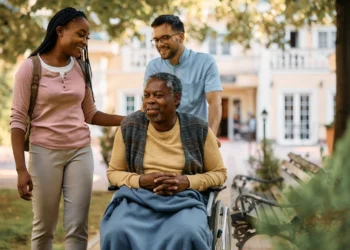





At one point, I believed wellness was mostly about physical health, eating correctly, staying active, or avoiding illness. While those things are important, life experiences, caregiving, nursing, emotional challenges, and personal growth gradually taught me that wellness is much broader and far more personal.
Wellness is not perfection.
It is not about always feeling happy, productive, energetic, or emotionally strong every single day.
To me, wellness is about creating balance between the mind, body, emotions, and everyday life while learning how to care for yourself compassionately during both good and difficult seasons.
True wellness includes:
- Emotional wellness
- Mental clarity
- Physical health
- Healthy relationships
- Rest and recovery
- Inner peace
- Self-compassion
Over time, I realized that wellness is not built through one major life change.
It grows slowly through small daily habits, emotional awareness, and learning to live more intentionally.
Wellness Is Not Just Physical Health
One of the biggest lessons I learned is that wellness goes far beyond physical appearance or fitness.
A person may look physically healthy while quietly struggling emotionally, mentally, or spiritually.
True wellness includes how people:
- Handle stress
- Process emotions
- Care for themselves
- Build relationships
- Recover from difficult experiences
Physical health matters deeply, but emotional and mental wellness are equally important.
Ignoring emotional health eventually affects the body too.
Emotional Wellness Became Very Important to Me
Through nursing, caregiving, and life experiences, I began understanding how deeply emotional wellness affects everyday life.
Stress, anxiety, emotional exhaustion, grief, and burnout can quietly affect:
- Sleep
- Relationships
- Physical energy
- Mental clarity
- Overall happiness
For a long time, I focused heavily on caring for others while neglecting my own emotional needs.
Eventually, I realized wellness also means allowing yourself to rest, feel emotions honestly, and seek support when necessary.
Emotional wellness is not weakness.
It is part of being human.
Wellness Means Learning to Slow Down
Modern life often encourages constant busyness and nonstop productivity.
For years, I believed resting meant falling behind.
Over time, I learned that constantly pushing yourself emotionally and physically eventually leads to exhaustion.
Wellness now means recognizing when the body and mind need recovery.
Sometimes wellness looks like:
- Taking breaks
- Sleeping properly
- Spending quiet time alone
- Saying no to unnecessary pressure
- Allowing yourself to breathe mentally
Rest is not laziness.
It is necessary for long-term emotional and physical well-being.
Wellness Includes Mental Peace
To me, wellness also means protecting mental peace.
That includes reducing unnecessary emotional stress and creating healthier boundaries around things that drain emotional energy constantly.
Mental peace may involve:
- Limiting negativity
- Reducing overstimulation
- Spending time outdoors
- Practicing gratitude
- Avoiding constant comparison
The mind needs calmness just as much as the body needs rest.
Mental wellness affects every part of life.
Healthy Relationships Matter Deeply
Wellness is also connected to the relationships we maintain.
Supportive relationships provide:
- Encouragement
- Emotional safety
- Connection
- Comfort during difficult moments
Toxic relationships, constant stress, or emotional isolation can negatively affect overall well-being.
I learned that wellness sometimes involves protecting emotional space and surrounding yourself with people who genuinely support and respect you.
Human connection is an important part of healthy living.
Wellness Is About Balance, Not Perfection
One of the most important things I learned is that wellness does not require perfection.
Life will always include stressful days, emotional struggles, exhaustion, or setbacks.
True wellness is not about avoiding all challenges.
It is about learning healthier ways to respond to them.
Some days wellness may mean:
- Eating healthier meals
- Walking outdoors
- Resting properly
- Talking openly about emotions
Other days it may simply mean surviving difficult moments with compassion toward yourself.
Balance matters more than unrealistic perfection.
Self-Care Became More Meaningful to Me
At one point, I thought self-care was mostly about temporary relaxation or luxury.
Now I understand self-care more deeply.
Real self-care often means:
- Protecting emotional health
- Setting healthy boundaries
- Prioritizing sleep
- Managing stress
- Asking for help when needed
Self-care is not selfish.
It helps people maintain the emotional strength needed to care for themselves and others sustainably.
Wellness Includes Physical Health Too
Physical health remains an important part of wellness.
Simple healthy habits support both the body and mind.
These habits may include:
- Drinking enough water
- Walking regularly
- Eating balanced meals
- Sleeping well
- Staying physically active
I learned that wellness is often built through simple daily choices rather than extreme routines.
Consistency matters more than perfection.
Gratitude Changed My Perspective
One habit that strongly influenced my understanding of wellness is gratitude.
Working in healthcare and caregiving environments taught me not to take ordinary moments for granted.
I became more appreciative of:
- Health
- Family
- Peaceful moments
- Emotional support
- Everyday routines
Gratitude helps shift focus away from constant stress and toward meaningful parts of life that are often overlooked.
Wellness Means Accepting Human Vulnerability
Caregiving and nursing also taught me that everyone experiences struggle at some point.
Illness, grief, stress, emotional pain, and uncertainty are part of life.
Wellness does not mean pretending everything is perfect.
It means caring for yourself compassionately even during difficult periods.
Accepting vulnerability helped me become more emotionally honest and more understanding toward others.
Small Daily Habits Matter Most
I used to believe wellness required dramatic life changes.
Over time, I realized the most meaningful improvements often come from small consistent habits.
Simple habits such as:
- Drinking water
- Sleeping better
- Walking daily
- Taking mental breaks
- Practicing mindfulness
gradually improve emotional and physical well-being over time.
Wellness grows slowly through repeated daily choices.
Wellness Includes Purpose and Meaning
To me, wellness also involves living with purpose and emotional fulfillment.
Meaningful work, caregiving, helping others, family relationships, faith, and personal growth all contribute to overall well-being.
People often feel emotionally healthier when they feel connected to something meaningful beyond daily stress and responsibilities.
Purpose helps create emotional resilience during difficult periods.
Learning to Be Kinder to Myself
One of the hardest lessons I learned was the importance of self-compassion.
For many years, I placed enormous pressure on myself emotionally and professionally.
Wellness eventually taught me that people need grace too.
Being kinder to yourself improves:
- Emotional balance
- Mental resilience
- Stress management
- Overall happiness
Self-compassion became an important part of my personal wellness journey.
Wellness Is a Lifelong Journey
Wellness is not a destination that people permanently achieve.
It changes throughout life depending on circumstances, responsibilities, health, and emotional experiences.
Some seasons require more rest.
Others require resilience and adaptation.
To me, wellness means continuing to care for the mind, body, and emotions intentionally while accepting that growth happens gradually over time.
Why This Matters
Wellness affects emotional health, mental clarity, physical well-being, relationships, stress management, and overall quality of life.
As stress, burnout, anxiety, and emotional exhaustion continue increasing globally, healthier conversations around emotional wellness, self-care, and balance are becoming increasingly important.
Wellness is personal, human, and deeply connected to how people care for themselves and others daily.
What Happens Next
Healthcare professionals, wellness advocates, caregivers, and mental health experts continue encouraging more balanced approaches to healthy living that include emotional wellness alongside physical health.
As awareness around mental health and burnout grows globally, more people are redefining wellness as something broader than fitness or appearance alone.
For me, wellness continues to mean balance, compassion, emotional peace, healthy living, meaningful relationships, and learning to care for myself while caring for others.