



Healthy aging habits become increasingly important as people grow older and begin paying closer attention to their physical health, emotional wellness, mobility, and overall quality of life.
Aging is a natural part of life, but the way people care for their bodies and minds daily can strongly influence how healthy and active they remain over time.
Healthy aging does not simply mean living longer.
It means maintaining:
- Physical strength
- Emotional balance
- Mental clarity
- Independence
- Social connection
- Overall well-being
The good news is that healthy aging is often shaped by simple consistent daily habits rather than extreme lifestyle changes.
Small wellness routines practiced regularly can significantly improve long-term health and quality of life.
Stay Physically Active Every Day
Regular movement is one of the most important healthy aging habits.
Physical activity supports:
- Heart health
- Muscle strength
- Joint flexibility
- Balance
- Energy levels
Exercise may also reduce risks associated with:
- Heart disease
- Diabetes
- Falls
- High blood pressure
Helpful forms of movement include:
- Walking
- Stretching
- Swimming
- Yoga
- Light strength training
Consistency matters more than intensity.
Even moderate daily movement can improve physical wellness significantly over time.
Walking Daily Supports Healthy Aging
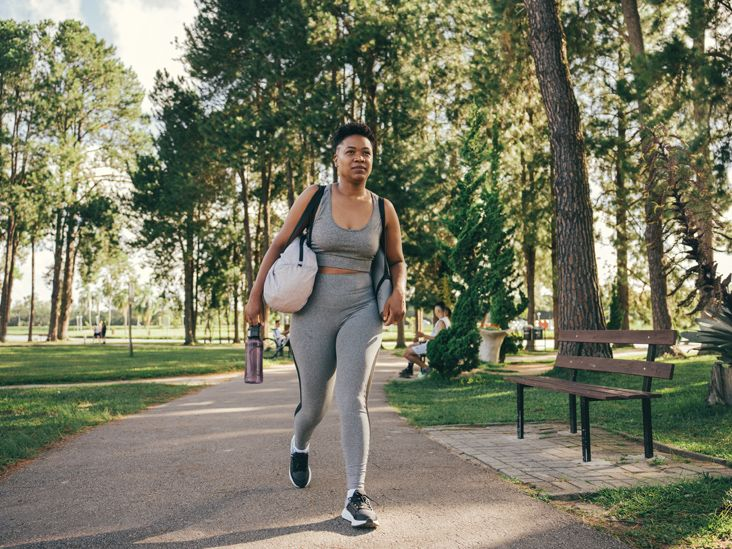
Walking remains one of the safest and most effective exercises for many older adults.
Walking daily may help improve:
- Circulation
- Mobility
- Mental clarity
- Emotional wellness
- Sleep quality
Walking outdoors may also reduce stress and support emotional balance through fresh air and natural surroundings.
Because walking is low-impact and accessible, it is often easier to maintain consistently long term.
Prioritize Healthy Sleep
Sleep becomes increasingly important with age because the body relies on rest for physical recovery and emotional balance.
Poor sleep may contribute to:
- Fatigue
- Memory problems
- Emotional stress
- Weakened immunity
Healthy sleep habits include:
- Maintaining consistent sleep schedules
- Reducing nighttime screen exposure
- Creating calming bedtime routines
- Limiting caffeine late in the day
Sleep wellness supports both physical and mental recovery.
Drink Enough Water
Hydration is one of the simplest but most overlooked healthy aging habits.
The body depends on water for:
- Digestion
- Circulation
- Brain function
- Joint health
- Energy production
Older adults may become dehydrated more easily because thirst signals sometimes weaken with age.
Simple hydration habits include:
- Drinking water consistently throughout the day
- Carrying a water bottle
- Choosing water over sugary drinks
Proper hydration supports overall wellness and energy levels.
Eat Balanced Nutritious Meals
Nutrition strongly affects healthy aging.
Balanced eating supports:
- Bone health
- Muscle maintenance
- Heart health
- Mental clarity
- Immune function
Helpful nutrition habits may include:
- Eating more fruits and vegetables
- Choosing whole grains
- Including healthy protein sources
- Limiting excessive processed foods
Healthy eating does not require perfection.
Simple sustainable improvements often provide the greatest long-term benefits.
Protect Emotional Wellness
Healthy aging includes emotional health as much as physical health.
Stress, grief, isolation, caregiving responsibilities, and life transitions can affect emotional wellness later in life.
Healthy emotional habits may include:
- Talking openly about emotions
- Staying socially connected
- Practicing gratitude
- Seeking support when needed
- Taking time to rest
Emotional resilience strongly affects quality of life and overall well-being.
Stay Socially Connected
Meaningful relationships remain important throughout life.
Social connection supports:
- Mental wellness
- Emotional balance
- Cognitive health
- Happiness
Isolation and loneliness may negatively affect both physical and emotional health.
Helpful social habits include:
- Spending time with family
- Maintaining friendships
- Participating in community activities
- Joining support groups or faith communities
Connection helps people feel emotionally supported and valued.
Keep the Brain Active
Mental stimulation supports cognitive wellness and mental sharpness.
Healthy aging habits for brain health may include:
- Reading
- Learning new skills
- Solving puzzles
- Writing
- Social conversations
- Creative hobbies
Continued mental engagement supports memory, concentration, and emotional well-being.
The brain benefits from lifelong learning and stimulation.
Manage Stress in Healthy Ways
Chronic stress affects both physical and emotional health.
Long-term stress may contribute to:
- High blood pressure
- Sleep problems
- Emotional exhaustion
- Heart disease risk
Healthy stress-management habits include:
- Walking
- Deep breathing
- Prayer or meditation
- Relaxation routines
- Spending time outdoors
Reducing stress supports healthier aging and emotional balance.
Protect Bone and Joint Health
Bone strength and mobility become increasingly important with age.
Helpful habits may include:
- Weight-bearing exercise
- Stretching
- Eating calcium-rich foods
- Maintaining healthy posture
Joint-friendly movement supports flexibility and reduces stiffness.
Mobility strongly influences independence and quality of life later in life.
Schedule Regular Health Checkups
Preventive healthcare is an important part of healthy aging.
Regular checkups help monitor:
- Blood pressure
- Cholesterol
- Blood sugar
- Vision
- Bone health
Early detection often improves long-term health outcomes and treatment success.
Healthy aging includes proactive care rather than waiting for major health problems to develop.
Limit Harmful Habits
Certain habits may negatively affect long-term wellness.
Reducing or avoiding harmful behaviors such as:
- Smoking
- Excessive alcohol use
- Sedentary lifestyles
can significantly improve long-term health.
Healthy aging is supported by small consistent lifestyle choices over time.
Spend Time Outdoors
Nature supports both physical and emotional wellness.
Outdoor activities may help improve:
- Mood
- Stress levels
- Physical activity
- Sleep quality
Even short periods outside can support emotional balance and mental clarity.
Fresh air and sunlight also help regulate healthy daily rhythms.
Rest and Recovery Matter
Many people continue pushing themselves emotionally and physically without enough recovery.
Healthy aging requires proper rest.
Recovery supports:
- Physical healing
- Emotional balance
- Mental clarity
- Stress reduction
Rest is not laziness.
It is part of maintaining long-term wellness.
Maintain Purpose and Enjoyment
A sense of purpose strongly affects emotional wellness during aging.
Purpose may come from:
- Family
- Community involvement
- Hobbies
- Faith
- Volunteering
- Mentorship
Enjoyable activities help support emotional resilience and overall happiness.
Healthy aging includes maintaining meaning and connection in daily life.
Small Habits Create Long-Term Results
One important truth about healthy aging is that small habits often create the biggest changes over time.
Examples include:
- Walking regularly
- Sleeping better
- Drinking more water
- Staying socially connected
- Managing stress calmly
Consistency matters far more than perfection.
Wellness develops gradually through repeated daily choices.
Healthy Aging Is About Quality of Life
Healthy aging is not only about avoiding illness.
It is about maintaining independence, emotional wellness, mobility, energy, and meaningful daily living.
Simple wellness habits help people stay active, mentally engaged, and emotionally balanced as they age.
Why This Matters
Healthy aging habits help support long-term physical health, emotional wellness, mental clarity, and overall quality of life.
As global populations continue aging, preventive wellness habits are becoming increasingly important for helping people remain active, independent, and emotionally resilient later in life.
Small sustainable routines often create the strongest long-term wellness benefits.
What Happens Next
Healthcare professionals and wellness experts continue encouraging preventive aging strategies focused on exercise, nutrition, emotional wellness, sleep health, hydration, and social connection.
As awareness around healthy aging grows globally, more people are recognizing that long-term wellness is strongly shaped by consistent daily habits rather than age alone.