


Mobility and movement play a major role in healthy aging and long-term wellness. As people grow older, staying physically active becomes increasingly important for maintaining strength, balance, flexibility, independence, and overall quality of life.
Many adults naturally experience physical changes with age, including:
- Reduced muscle strength
- Joint stiffness
- Slower recovery
- Reduced flexibility
- Balance challenges
While aging itself is unavoidable, regular movement can help slow physical decline and support healthier, more active later years.
Unfortunately, many people become less active over time due to busy schedules, chronic pain, fear of injury, illness, or reduced energy.
However, reduced movement often leads to even greater physical weakness and mobility limitations.
Healthy aging is strongly connected to maintaining consistent movement and physical activity throughout life.
Why Mobility and Movement Matter
Mobility refers to the ability to move freely, safely, and comfortably.
Movement includes both formal exercise and everyday physical activity such as:
- Walking
- Stretching
- Climbing stairs
- Household tasks
- Gardening
Maintaining mobility and movement helps support:
- Physical independence
- Balance
- Joint function
- Muscle strength
- Emotional wellness
Staying active improves overall quality of life and helps people remain more capable of handling daily responsibilities as they age.
Movement Helps Maintain Independence
One of the biggest reasons mobility and movement matter is because they support independence.
Simple daily activities such as:
- Walking
- Dressing
- Cooking
- Shopping
- Bathing
all rely on physical strength, flexibility, coordination, and balance.
Reduced mobility can make these tasks increasingly difficult over time.
Regular movement helps older adults maintain confidence and continue performing everyday activities more safely and independently.
Muscle Strength Naturally Declines With Age
As people age, the body naturally loses muscle mass and strength over time.
This process may contribute to:
- Weakness
- Reduced stability
- Increased fall risk
- Slower movement
Regular movement and strength-focused activities help slow this decline.
Simple exercises such as:
- Walking
- Resistance training
- Stretching
- Bodyweight exercises
can help maintain muscle strength and physical function.
Even moderate activity can provide meaningful benefits.
Movement Supports Joint Health
Joint stiffness and discomfort often increase with age, especially when physical activity decreases.
Movement helps keep joints flexible and supports circulation around muscles and connective tissues.
Gentle activities may help reduce:
- Stiffness
- Limited mobility
- Physical discomfort
Helpful low-impact exercises include:
- Walking
- Swimming
- Stretching
- Yoga
Remaining physically active often helps people move more comfortably long term.
Balance and Coordination Improve With Movement
Falls become a major health concern for many older adults.
Poor balance and reduced coordination may increase injury risk significantly.
Regular movement helps strengthen muscles involved in balance and stability.
Activities that support balance include:
- Walking
- Stretching
- Tai chi
- Yoga
- Light strength exercises
Maintaining balance helps support confidence, safety, and long-term independence.
Walking Is One of the Best Forms of Movement
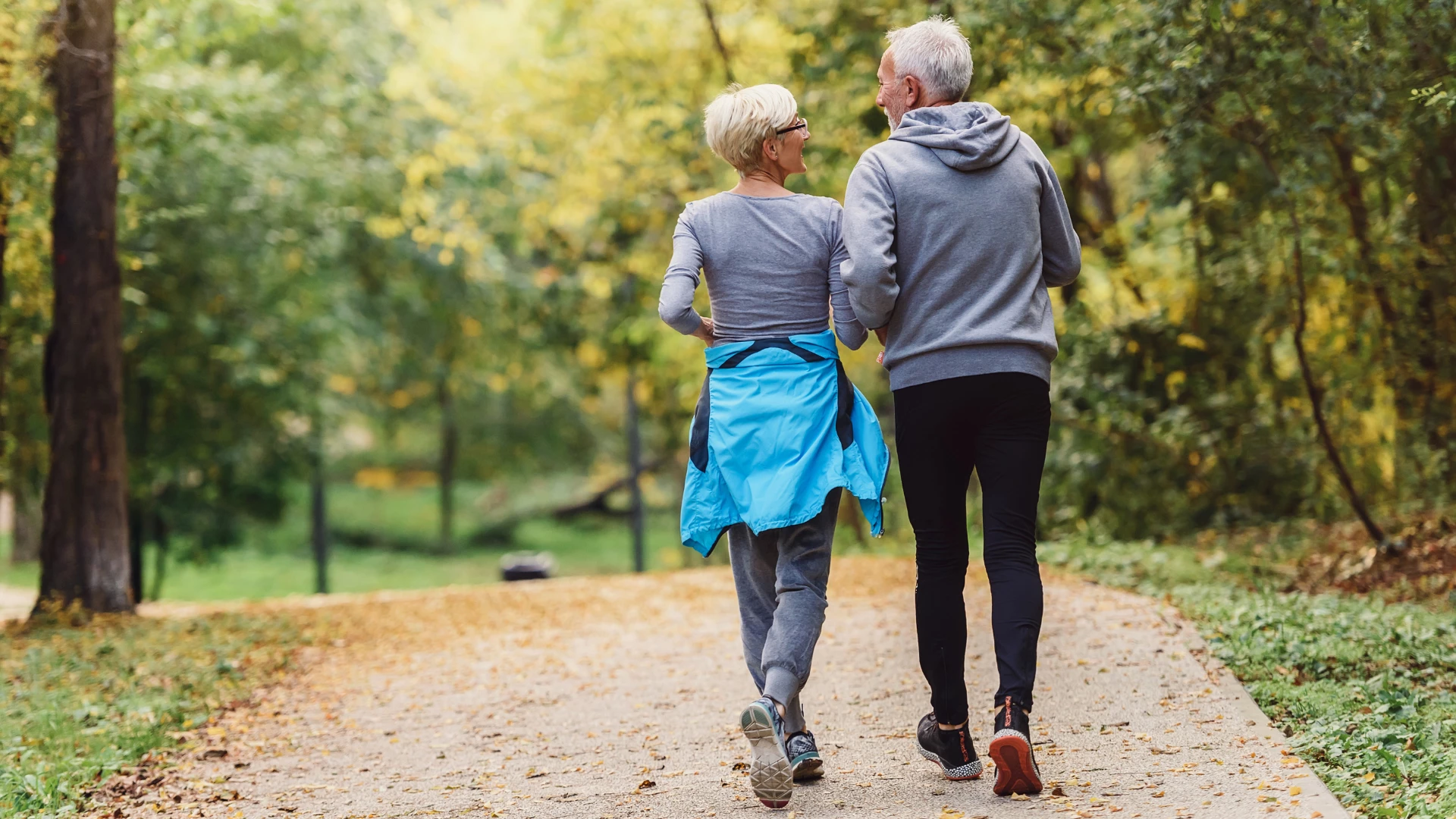
Walking remains one of the safest and most accessible forms of physical activity for many older adults.
Walking regularly may help improve:
- Heart health
- Mobility
- Mood
- Circulation
- Energy levels
- Mental wellness
Because walking is low-impact and adaptable, it is easier for many people to maintain consistently.
Even short daily walks can provide important physical and emotional benefits.
Mobility and Movement Support Heart Health
Physical activity strongly affects cardiovascular health.
Regular movement may help:
- Improve circulation
- Lower blood pressure
- Support healthy cholesterol levels
- Reduce heart disease risk
Sedentary lifestyles increase risks associated with heart problems and other chronic health conditions.
Movement supports healthier long-term cardiovascular function.
Physical Activity Helps Mental Wellness
Mobility and movement affect emotional health as well as physical health.
Regular activity may help reduce:
- Stress
- Anxiety
- Emotional fatigue
- Mild depression symptoms
Movement encourages the release of chemicals linked to improved mood and emotional balance.
Many people feel mentally clearer and emotionally calmer after physical activity.
Walking outdoors may provide additional emotional benefits through fresh air and nature exposure.
Staying Active Supports Brain Health
Research continues showing strong links between movement and cognitive wellness.
Physical activity may help support:
- Memory
- Concentration
- Cognitive function
- Mental clarity
Healthy circulation and oxygen flow benefit brain function over time.
Remaining mentally and physically engaged supports healthier aging overall.
Sedentary Lifestyles Increase Health Risks
Long periods of inactivity may contribute to:
- Muscle weakness
- Weight gain
- Reduced circulation
- Joint stiffness
- Fatigue
Sedentary habits may also increase risks associated with:
- Diabetes
- Heart disease
- Reduced mobility
Even small amounts of daily movement help counter some of these effects.
Flexibility Matters As We Age
Flexibility supports comfortable movement and reduces stiffness.
Stretching and gentle mobility exercises help maintain range of motion in muscles and joints.
Improved flexibility may help with:
- Walking comfortably
- Reaching objects
- Bending safely
- Reducing muscle tension
Simple stretching routines can support healthier movement long term.
Movement Helps Maintain Energy Levels
Many people assume aging automatically causes constant fatigue.
While energy changes naturally occur, inactivity itself often contributes to low energy.
Regular movement helps improve:
- Circulation
- Oxygen flow
- Physical stamina
- Overall vitality
Even light activity can help people feel more physically alert and energized.
Fear of Injury Should Not Prevent Movement Completely
Some older adults avoid activity because they fear falling or getting injured.
While safety is important, complete inactivity often weakens the body further.
Gentle low-impact activities performed safely can help strengthen mobility rather than reduce it.
Healthcare professionals or physical therapists can help recommend safe movement routines when necessary.
Small Daily Habits Matter Most
Mobility and movement do not require intense workouts.
Simple daily movement habits often provide meaningful benefits.
Examples include:
- Walking regularly
- Stretching in the morning
- Standing up frequently
- Taking stairs when possible
- Gardening
Consistency matters far more than perfection.
Small repeated habits gradually improve physical wellness over time.
Emotional Confidence Improves Through Movement
Physical mobility strongly affects emotional confidence and independence.
People who maintain movement often feel:
- More capable
- More independent
- More socially engaged
- More emotionally positive
Remaining physically active helps many older adults continue participating in daily life and social activities comfortably.
Recovery and Rest Still Matter
While movement is important, healthy aging also requires proper recovery.
Rest supports:
- Muscle repair
- Emotional wellness
- Joint recovery
- Energy balance
Healthy movement should support wellness rather than create exhaustion or injury.
Balance between activity and recovery is important.
Healthy Aging Is About Maintaining Function
Mobility and movement help people preserve the ability to live daily life comfortably and independently.
Healthy aging focuses not only on lifespan but also on maintaining:
- Strength
- Stability
- Energy
- Confidence
- Emotional wellness
Regular movement strongly supports all of these goals.
Why This Matters
Mobility and movement are essential for supporting independence, emotional wellness, physical strength, balance, and overall quality of life during aging.
As populations continue aging globally, maintaining physical activity is becoming increasingly important for helping older adults remain healthier, safer, and more active later in life.
Simple movement habits often provide major long-term wellness benefits.
What Happens Next
Healthcare professionals and wellness experts continue encouraging movement-focused aging strategies that emphasize walking, balance exercises, flexibility, and strength maintenance.
As awareness around healthy aging grows globally, mobility and movement are increasingly recognized as some of the most important foundations of long-term wellness and independence.