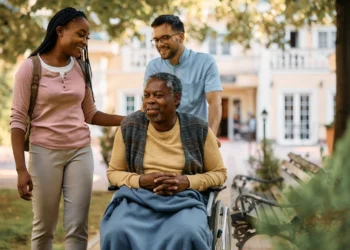





Emotional support becomes increasingly important as people grow older and face changes that may affect their physical health, independence, social connections, and emotional well-being.
Many elderly individuals experience emotional challenges linked to:
- Loneliness
- Grief
- Health concerns
- Reduced mobility
- Retirement transitions
- Social isolation
While physical care often receives the most attention, emotional wellness is equally important for maintaining quality of life during aging.
Older adults who feel emotionally supported often experience:
- Better mental wellness
- Reduced loneliness
- Greater emotional stability
- Improved overall well-being
Family members, caregivers, friends, and communities all play important roles in providing emotional support to elderly loved ones.
Small acts of kindness, patience, and connection can make a major difference in an older person’s emotional health.
Why Emotional Support Matters for Older Adults
Aging often brings major life transitions that can affect emotional wellness deeply.
Many elderly individuals experience:
- Loss of loved ones
- Reduced social interaction
- Chronic health conditions
- Changes in independence
- Increased stress or anxiety
These changes may lead to feelings of:
- Sadness
- Isolation
- Fear
- Frustration
- Emotional exhaustion
Strong emotional support helps older adults feel valued, respected, connected, and less alone during difficult periods.
Emotional wellness strongly affects physical health, mental health, and overall quality of life.
Spend Quality Time Together
One of the most powerful forms of emotional support is simply being present.
Many older adults value companionship more than material assistance.
Spending meaningful time together may include:
- Having conversations
- Sharing meals
- Taking walks
- Watching favorite programs together
- Sitting quietly together
Even short regular visits or phone calls can significantly reduce loneliness and emotional isolation.
Consistency often matters more than grand gestures.
Listen With Patience and Attention
Many elderly individuals want to feel heard and understood.
Active listening is one of the simplest but most meaningful ways to provide emotional support.
Helpful listening habits include:
- Maintaining eye contact
- Avoiding interruptions
- Responding calmly
- Showing empathy
Sometimes older adults may repeat stories or express concerns multiple times.
Patience and compassion help create emotional safety and dignity during conversations.
Feeling listened to can greatly improve emotional well-being.
Encourage Social Connection
Loneliness and isolation are common emotional struggles among older adults.
Maintaining social interaction helps support:
- Mental wellness
- Emotional balance
- Cognitive health
- Overall happiness
Encourage opportunities for connection such as:
- Family gatherings
- Community groups
- Religious activities
- Senior programs
- Phone or video calls with friends
Meaningful social relationships remain important at every stage of life.
Respect Their Independence
Many older adults fear losing independence as they age.
Even when assistance is needed, it is important to respect personal dignity and autonomy whenever possible.
Helpful approaches include:
- Offering choices
- Encouraging participation in decisions
- Supporting independence safely
- Avoiding overly controlling behavior
Emotional support includes helping elderly loved ones maintain a sense of identity and self-worth.
Offer Reassurance During Difficult Times
Health concerns, memory changes, grief, or physical limitations may create anxiety and emotional stress for older adults.
Calm reassurance can help reduce fear and emotional overwhelm.
Supportive communication may include:
- Speaking gently
- Offering encouragement
- Providing emotional comfort
- Avoiding unnecessary criticism
Emotional stability often improves when elderly individuals feel supported rather than judged.
Be Patient With Emotional Changes
Aging may affect emotional regulation, especially during periods of illness, grief, pain, or stress.
Some older adults may become:
- Irritable
- Withdrawn
- Anxious
- Emotionally sensitive
Responding with patience rather than frustration helps maintain trust and emotional connection.
Many emotional reactions are linked to fear, loneliness, physical discomfort, or stress rather than intentional behavior.
Help Reduce Feelings of Loneliness
Loneliness can strongly affect emotional and physical health.
Chronic loneliness may increase risks associated with:
- Depression
- Anxiety
- Cognitive decline
- Physical illness
Simple ways to reduce loneliness may include:
- Frequent check-ins
- Shared activities
- Encouraging hobbies
- Including elderly loved ones in family events
Feeling emotionally included and remembered has enormous emotional value.
Encourage Healthy Daily Routines
Daily structure can improve emotional wellness and reduce stress.
Helpful routines may include:
- Regular meals
- Walking or gentle movement
- Social interaction
- Hobbies
- Rest and sleep routines
Healthy routines help create stability and emotional balance during aging.
Simple enjoyable activities often improve mood and emotional resilience.
Support Their Mental Wellness
Mental health remains important throughout life.
Older adults may experience emotional struggles linked to:
- Grief
- Isolation
- Health worries
- Life transitions
Encourage open conversations about emotions and mental health without shame.
Support may include:
- Counseling
- Religious guidance
- Support groups
- Family conversations
Seeking emotional support should be viewed as healthy and normal.
Show Appreciation and Respect
Many elderly individuals fear becoming a burden to others.
Simple expressions of appreciation can improve emotional wellness greatly.
This may include:
- Thanking them for their wisdom
- Asking for advice
- Recognizing their life experiences
- Including them in decisions
Respect helps preserve dignity and emotional confidence.
Older adults still want to feel useful, valued, and connected.
Physical Touch Can Provide Comfort
For many people, safe and appropriate physical affection provides emotional reassurance.
Simple gestures may include:
- Holding hands
- Hugs
- Gentle touch on the shoulder
Physical warmth often communicates care and emotional presence in powerful ways.
However, personal comfort and preferences should always be respected.
Encourage Activities They Enjoy
Enjoyable activities help support emotional balance and purpose.
This may include:
- Gardening
- Reading
- Music
- Faith activities
- Watching favorite programs
- Spending time outdoors
Maintaining hobbies and interests supports emotional wellness and cognitive engagement.
Watch for Signs of Emotional Distress
Some older adults may struggle emotionally without expressing it openly.
Possible warning signs include:
- Withdrawal from activities
- Persistent sadness
- Sleep changes
- Loss of appetite
- Increased anxiety
- Lack of motivation
Emotional distress should not automatically be dismissed as a normal part of aging.
Professional support may sometimes be necessary.
Caregivers Also Need Emotional Support
Supporting elderly loved ones emotionally can be deeply meaningful but also emotionally demanding.
Caregivers may experience:
- Stress
- Emotional exhaustion
- Burnout
- Fatigue
Healthy caregiving includes protecting the caregiver’s own mental and emotional wellness too.
Seeking help and sharing responsibilities can improve care quality for everyone involved.
Emotional Support Improves Quality of Life
Emotional wellness strongly affects physical health, relationships, and overall happiness.
Older adults who feel emotionally supported often experience:
- Greater emotional resilience
- Improved mood
- Better stress management
- Increased sense of purpose
Compassion and connection remain powerful forms of care throughout life.
Small Acts Often Matter Most
Emotional support does not always require large gestures.
Simple consistent acts often carry the greatest emotional impact.
Examples include:
- Listening carefully
- Spending time together
- Calling regularly
- Showing patience
- Offering encouragement
These moments help older adults feel loved, respected, and emotionally safe.
Why This Matters
Emotional support plays a critical role in helping elderly loved ones maintain mental wellness, dignity, social connection, and overall quality of life.
As populations continue aging globally, emotional care is becoming increasingly important alongside physical caregiving and medical support.
Healthy emotional connections help older adults feel valued and less isolated during later life.
What Happens Next
Healthcare professionals, caregivers, and aging advocates continue encouraging stronger focus on emotional wellness, companionship, social support, and mental health for older adults.
As awareness around aging and emotional health grows, more families and communities are recognizing that compassion, patience, and meaningful connection are essential parts of caring for elderly loved ones.