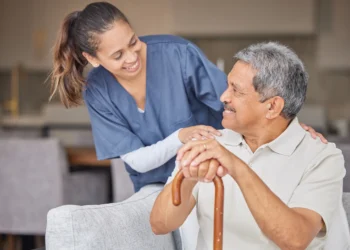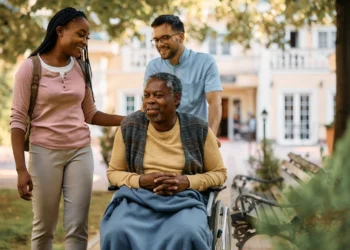




Both experiences have taught me far more than medical routines, caregiving responsibilities, or professional skills. They have taught me about humanity, emotional resilience, compassion, patience, and the quiet strength people carry during difficult moments.
Working closely with patients, elderly individuals, families, and vulnerable people changes the way you view life.
You begin to understand that health is fragile, time is precious, and emotional support often matters just as much as physical care.
Nursing and caregiving are not always easy journeys.
There are moments of exhaustion, emotional stress, grief, and uncertainty. But there are also moments of kindness, gratitude, healing, and human connection that leave lasting impact.
Over the years, these experiences have taught me lessons that continue shaping both my professional work and personal life.
Compassion Matters More Than Perfection
One of the greatest lessons nursing and caregiving taught me is that compassion matters deeply.
People may forget exact words or routines, but they often remember how they were treated emotionally.
Simple acts of compassion can make difficult situations feel less frightening.
Compassion may involve:
- Listening patiently
- Offering reassurance
- Providing comfort
- Treating people with dignity
- Being emotionally present
I learned that caregiving is not only about tasks or treatment.
It is also about helping people feel seen, respected, and cared for during vulnerable moments.
Patience Is a Form of Care
Nursing and caregiving require enormous patience.
Patients and elderly loved ones may feel:
- Frightened
- Frustrated
- Confused
- Emotionally overwhelmed
Some situations require slowing down emotionally rather than rushing through responsibilities.
I learned that patience itself becomes a form of emotional support.
Responding calmly during stressful moments can create trust, reassurance, and emotional safety for others.
Patience also helps caregivers avoid unnecessary emotional tension and frustration.
Emotional Wellness Cannot Be Ignored
One of the most important lessons I learned is that emotional wellness affects everything.
Stress, burnout, anxiety, grief, and emotional exhaustion eventually affect:
- Sleep
- Physical health
- Relationships
- Mental clarity
- Energy levels
For a long time, I focused heavily on caring for others while ignoring my own emotional needs.
Eventually, I realized caregivers and healthcare workers also need:
- Rest
- Emotional support
- Healthy boundaries
- Mental recovery
Caring for yourself is not selfish.
It helps make caregiving more sustainable long term.
Small Moments Often Matter Most
Some of the most meaningful caregiving moments were not dramatic or extraordinary.
They were simple moments such as:
- Holding someone’s hand
- Sitting quietly together
- Listening carefully
- Helping someone feel safe
- Offering encouragement
Those small moments taught me that human connection is powerful.
People often remember kindness during difficult times more than anything else.
Everyone Is Fighting Battles We Cannot See
Nursing and caregiving exposed me to many hidden emotional struggles people carry quietly.
Patients, families, caregivers, and healthcare workers often carry emotional burdens that are not immediately visible.
This taught me to approach people with greater empathy and understanding.
You never fully know:
- What someone is grieving
- What stress they are carrying
- What fears they are facing
Kindness becomes more important when you realize how much silent pain people may be managing internally.
Rest Is Necessary, Not Weakness
Healthcare and caregiving environments often encourage constant productivity and sacrifice.
Over time, I learned that ignoring exhaustion eventually harms both caregivers and the people they support.
Rest is essential for:
- Emotional balance
- Mental clarity
- Physical recovery
- Stress management
Burnout develops gradually when recovery is ignored.
Learning to rest without guilt became one of the healthiest lessons I gained through caregiving.
Listening Is Sometimes More Powerful Than Speaking
Many people simply want to feel heard.
Patients and elderly loved ones often need emotional presence more than perfect answers.
Listening carefully can provide:
- Comfort
- Validation
- Emotional relief
- Trust
I learned that not every difficult situation can be fixed immediately.
Sometimes emotional support begins with quiet compassionate listening.
Caregiving Requires Emotional Strength
People often associate strength only with physical endurance.
Nursing and caregiving taught me that emotional strength is equally important.
Caregivers regularly face:
- Emotional stress
- Grief
- Fear
- Exhaustion
- Difficult decisions
Remaining compassionate while emotionally overwhelmed requires resilience.
I learned that strength sometimes means continuing to care gently even during difficult emotional moments.
Gratitude Changes Perspective
Working closely with illness, aging, and vulnerability changes the way you view life.
I became more grateful for:
- Health
- Family
- Peaceful moments
- Time with loved ones
- Everyday routines
Caregiving teaches you not to take ordinary moments for granted.
Gratitude became an important part of emotional wellness for me.
Human Connection Is Healing
One of the most powerful lessons I learned is that emotional connection itself can be deeply healing.
People need:
- Compassion
- Understanding
- Reassurance
- Presence
Healthcare is not only about medicine or treatment.
Human kindness and emotional support also affect healing experiences significantly.
Simple compassionate interactions can reduce fear and emotional isolation.
Boundaries Are Important
At one point, I believed being a good caregiver meant always saying yes and constantly pushing through exhaustion.
Eventually, I learned that healthy boundaries protect emotional wellness.
Boundaries may involve:
- Taking breaks
- Asking for help
- Protecting personal time
- Recognizing emotional limits
Without boundaries, caregivers become more vulnerable to burnout and emotional exhaustion.
Mental Health Deserves More Attention
Nursing and caregiving increased my awareness of mental health struggles affecting both patients and caregivers.
Stress, anxiety, depression, loneliness, and emotional exhaustion are more common than many people realize.
This experience taught me the importance of:
- Open conversations
- Emotional support
- Mental wellness awareness
- Seeking help when needed
Mental health should never be ignored or treated as weakness.
Healing Is Not Always Physical
Some patients recover physically.
Others may not.
I learned that healing can also mean:
- Emotional comfort
- Dignity
- Peace
- Feeling supported
Sometimes the goal of caregiving is not curing illness but helping people feel cared for and less alone.
That lesson deeply changed my understanding of healthcare and compassion.
Teamwork Matters Deeply
Healthcare and caregiving are rarely individual efforts.
Strong support systems matter.
I learned the importance of teamwork, communication, and emotional support among caregivers, healthcare workers, and families.
No one should carry caregiving burdens completely alone.
Aging Deserves Compassion and Respect
Caring for older adults taught me how important dignity and emotional respect are during aging.
Many elderly individuals fear:
- Losing independence
- Becoming burdensome
- Feeling forgotten
Emotional support, patience, and companionship help older adults maintain confidence and emotional well-being.
Healthy aging involves emotional care as much as physical care.
Caregiving Changed Me Personally
Nursing and caregiving shaped my character deeply.
They taught me:
- Compassion
- Patience
- Emotional resilience
- Gratitude
- Empathy
The experiences were sometimes difficult, but they also brought personal growth and deeper understanding of human connection.
Why This Matters
Millions of caregivers and healthcare workers worldwide quietly carry emotional responsibilities while supporting others through illness, aging, stress, and vulnerability.
The lessons learned through nursing and caregiving highlight the importance of emotional wellness, compassion, caregiver support, and healthier conversations around mental health and burnout.
Caregiving affects both the people receiving care and the people providing it.
What Happens Next
As awareness around emotional wellness, caregiver burnout, and mental health continues growing globally, more attention is being placed on supporting caregivers emotionally as well as physically.
The lessons learned through nursing and caregiving continue shaping conversations around compassion, healthy aging, emotional resilience, and the importance of human connection in healthcare and everyday life.