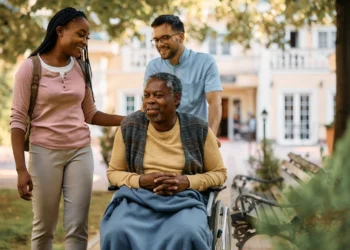





Caregiving balance is one of the biggest challenges many family caregivers face. Caring for aging parents, sick spouses, children with special needs, or recovering loved ones often requires enormous emotional, physical, and mental energy.
At the same time, caregivers are usually still managing careers, parenting responsibilities, relationships, finances, and their own health needs.
Trying to keep everything together can quickly become exhausting.
Many caregivers feel pulled in multiple directions every day. They want to provide compassionate care for loved ones while also remaining emotionally present for their families and protecting their own well-being.
Without balance, caregiving can eventually lead to stress, anxiety, burnout, emotional exhaustion, and strained family relationships.
Creating healthier balance does not mean doing everything perfectly.
It means learning how to care for others without completely neglecting yourself.
Why Caregiving Balance Matters
Caregivers often prioritize everyone else’s needs first.
Over time, this can create emotional imbalance and physical exhaustion.
When caregivers ignore their own health and emotional needs, they may begin experiencing:
- Chronic stress
- Sleep problems
- Anxiety
- Depression
- Emotional burnout
- Relationship tension
- Physical fatigue
Caregiving balance is important because emotionally healthy caregivers are better able to provide stable, patient, and compassionate care.
Protecting personal wellness also improves family relationships and long-term caregiving sustainability.
Accept That You Cannot Do Everything Alone
One of the most important steps toward caregiving balance is accepting that no person can manage every responsibility perfectly alone.
Many caregivers place unrealistic expectations on themselves.
They feel guilty asking for help or taking breaks.
However, caregiving becomes healthier when responsibilities are shared.
Support may come from:
- Family members
- Friends
- Community organizations
- Religious groups
- Professional caregivers
- Support groups
Even small amounts of assistance can reduce emotional pressure significantly.
Delegating tasks such as transportation, meal preparation, shopping, or appointment scheduling can create valuable emotional breathing space.
Create a Daily Routine
Structured routines help caregivers feel more emotionally organized and less overwhelmed.
Without routines, caregiving responsibilities can begin consuming every part of the day.
Healthy routines may include:
- Consistent wake-up times
- Scheduled meals
- Rest periods
- Medication schedules
- Exercise time
- Family activities
- Sleep routines
Daily structure creates emotional stability during unpredictable caregiving situations.
It also helps caregivers protect personal time more effectively.
Protect Time for Personal Wellness
Many caregivers believe self-care is selfish.
In reality, personal wellness is essential for sustainable caregiving.
Caregivers who completely neglect themselves often experience burnout more quickly.
Personal wellness includes:
- Physical health
- Mental health
- Emotional recovery
- Social connection
- Rest and sleep
Simple self-care habits can make a major difference, including:
- Walking
- Reading
- Prayer or meditation
- Journaling
- Healthy eating
- Stretching
- Spending quiet time alone
Even short periods of personal recovery help improve emotional resilience.
Prioritize Sleep and Rest
Sleep deprivation is extremely common among caregivers.
Stress, emotional worry, and nighttime caregiving responsibilities can disrupt healthy sleep patterns.
Poor sleep affects:
- Mood
- Patience
- Concentration
- Physical health
- Emotional stability
Protecting rest should become a major caregiving priority.
Helpful habits include:
- Maintaining regular sleep schedules
- Reducing screen time before bed
- Taking short daytime breaks
- Asking for overnight support when possible
Rest is not laziness.
It is necessary emotional and physical recovery.
Communicate Openly With Family Members
Family communication becomes especially important during caregiving situations.
Many caregivers quietly carry emotional stress without expressing how overwhelmed they feel.
Open conversations help reduce misunderstandings and resentment.
Important discussions may include:
- Sharing responsibilities
- Setting expectations
- Discussing schedules
- Talking about emotional stress
- Planning financial decisions
Families that communicate honestly are often better able to support both the caregiver and the person receiving care.
Set Healthy Boundaries
Caregiving can easily consume every hour of the day if boundaries are not established.
Healthy boundaries help caregivers maintain emotional balance and personal identity.
Boundaries may include:
- Saying no when overwhelmed
- Protecting personal time
- Limiting unnecessary obligations
- Scheduling regular breaks
- Separating caregiving from all personal identity
Boundaries do not reduce compassion.
They prevent emotional exhaustion and resentment.
Read Also: Mental Health Crisis Deepens Across Africa Youth
Make Time for Family Relationships
Caregiving sometimes unintentionally affects marriages, parenting, friendships, and family dynamics.
Caregivers may become so focused on caregiving responsibilities that other relationships receive less attention.
Protecting family connection is important.
Simple ways to strengthen relationships include:
- Shared meals
- Family conversations
- Short outings
- Phone calls
- Spending uninterrupted time together
Healthy relationships provide emotional support that caregivers deeply need.
Learn to Recognize Burnout Early
Caregiver burnout often develops gradually.
Recognizing early warning signs is essential for maintaining balance.
Signs may include:
- Constant exhaustion
- Irritability
- Anxiety
- Emotional numbness
- Sleep problems
- Hopelessness
- Difficulty concentrating
Ignoring burnout symptoms usually worsens emotional health over time.
Seeking support early helps prevent deeper mental and physical exhaustion.
Stay Socially Connected
Isolation is one of the biggest emotional risks caregivers face.
Many caregivers slowly lose connection with friends and community activities because caregiving consumes so much time.
Maintaining social connection supports emotional wellness.
Helpful habits include:
- Calling friends regularly
- Joining support groups
- Attending community activities
- Participating in faith groups
- Spending time outside caregiving environments
Human connection reduces emotional stress and feelings of loneliness.
Physical Health Supports Emotional Health
Caregivers often ignore physical health while focusing entirely on others.
However, physical wellness strongly affects emotional resilience.
Healthy habits include:
- Regular movement
- Balanced nutrition
- Hydration
- Medical checkups
- Stress management
Exercise especially helps reduce stress hormones and improve emotional balance.
Caregivers do not need extreme fitness routines to benefit.
Even simple daily walks can improve mental health significantly.
Accept That Balance Will Not Always Be Perfect
One important truth about caregiving balance is that some days will feel harder than others.
Caregiving situations change constantly.
Unexpected medical issues, emotional stress, or emergencies may disrupt routines and plans.
Balance is not about perfection.
It is about continually adjusting and protecting emotional health as much as possible.
Caregivers should allow themselves grace during difficult periods.
Counseling and Support Groups Can Help
Many caregivers benefit from professional emotional support.
Counseling can help caregivers:
- Manage stress
- Process emotions
- Reduce anxiety
- Build coping skills
Support groups also provide emotional validation and practical advice from others experiencing similar situations.
Caregivers often feel less isolated when speaking openly with people who understand the emotional realities of caregiving.
Caregiving Balance Benefits Everyone
Balanced caregivers are generally:
- More patient
- More emotionally present
- Better rested
- More resilient
- Better able to make decisions
Protecting personal wellness ultimately improves the quality of care provided to loved ones.
Healthy caregivers create healthier family environments overall.
Why This Matters
Caregiving balance is becoming increasingly important as millions of families worldwide take on long-term caregiving responsibilities.
Without proper support and self-care, caregivers face serious emotional, physical, and mental health risks.
Encouraging healthier caregiving balance helps strengthen families, communities, and healthcare systems.
What Happens Next
Healthcare organizations and caregiver advocacy groups continue promoting stronger caregiver support systems, mental health resources, respite care programs, and workplace flexibility.
As caregiving responsibilities continue increasing globally, caregiver wellness and family balance are expected to become even more important public health priorities.