




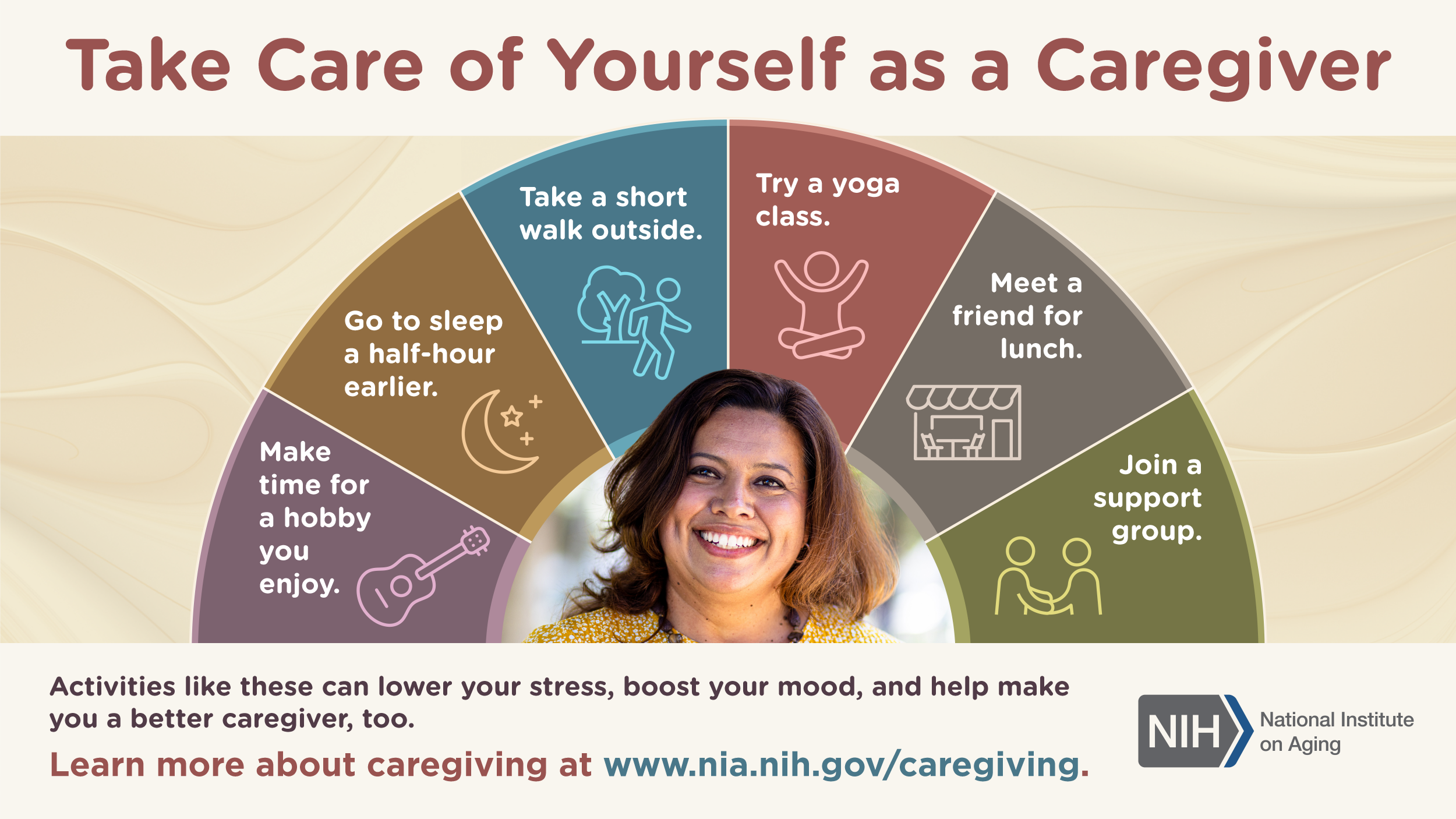
Caregiver self-care is essential for maintaining emotional balance, physical health, and long-term caregiving strength.
Whether caring for an aging parent, a sick spouse, a child with special needs, or someone recovering from illness, caregivers often prioritize everyone else’s needs while neglecting their own.
Over time, that imbalance can lead to exhaustion, emotional stress, anxiety, depression, and caregiver burnout.
Many caregivers feel guilty taking breaks or focusing on themselves. However, self-care is not selfish. It is one of the most important parts of sustainable caregiving.
A caregiver who is emotionally healthy and physically rested is better equipped to provide compassionate and stable support.
Practicing regular self-care helps caregivers protect their mental health, reduce stress, and improve overall quality of life.
Caregiver Self-Care Starts With Accepting Your Limits
One of the biggest emotional challenges caregivers face is believing they must handle everything alone.
Many caregivers place unrealistic expectations on themselves and feel responsible for solving every problem perfectly.
In reality, no person can provide constant care without support, rest, or emotional recovery.
Accepting personal limits is not failure.
It is healthy and necessary.
Recognizing when you are overwhelmed helps prevent emotional exhaustion and long-term burnout.
Caregiving becomes more sustainable when caregivers allow themselves to ask for help and take breaks when needed.
Prioritize Sleep and Rest
Sleep deprivation is one of the most common problems among caregivers.
Stress, nighttime responsibilities, emotional worry, and exhaustion can make it difficult to get proper rest.
Poor sleep affects:
- Mood
- Patience
- Concentration
- Physical health
- Emotional resilience
Improving sleep habits should become a major self-care priority.
Helpful strategies include:
- Maintaining a regular sleep schedule
- Limiting screen time before bed
- Creating calming nighttime routines
- Asking for overnight support when possible
- Taking short rest breaks during the day
Even small improvements in sleep quality can significantly reduce stress levels.
Maintain Regular Medical Care
Many caregivers ignore their own health appointments because caregiving responsibilities consume most of their time.
Skipping medical checkups, medications, or preventive care can create serious long-term health problems.
Caregiver self-care includes protecting your own physical health.
Important habits include:
- Attending regular medical appointments
- Managing chronic conditions
- Taking prescribed medications
- Monitoring stress-related symptoms
- Seeking treatment when necessary
Healthy caregivers are better able to continue providing care safely and consistently.
Stay Physically Active
Exercise is one of the most effective ways to reduce caregiver stress and protect mental health.
Physical activity helps:
- Lower stress hormones
- Improve sleep quality
- Increase energy levels
- Reduce anxiety
- Improve mood
Caregivers do not need intense workout routines to benefit.
Simple activities can make a meaningful difference, including:
- Walking
- Stretching
- Yoga
- Gardening
- Light home workouts
Even 20 to 30 minutes of movement daily can improve emotional resilience and reduce physical tension.
Do Not Isolate Yourself
Caregiving can become emotionally isolating.
Many caregivers slowly stop socializing because they feel overwhelmed, exhausted, or emotionally consumed by responsibility.
Isolation often worsens stress and emotional fatigue.
Maintaining social connection is an important part of caregiver self-care.
This may include:
- Calling friends regularly
- Joining support groups
- Attending religious or community events
- Spending time outside the caregiving environment
- Talking openly with trusted people
Human connection helps caregivers feel emotionally supported and understood.
Learn to Ask for Help
Many caregivers hesitate to ask for support because they fear burdening others or appearing incapable.
However, caregiving is not meant to be handled entirely alone.
Asking for help may involve:
- Sharing responsibilities with family
- Hiring temporary respite care
- Accepting meal support
- Allowing others to assist with errands
- Using community caregiving services
Even occasional assistance can provide emotional relief and valuable recovery time.
Caregivers often feel stronger after accepting practical support rather than carrying everything alone.
Set Healthy Boundaries
Caregiver self-care requires emotional boundaries.
Without boundaries, caregiving responsibilities can slowly consume every part of life.
Healthy boundaries may include:
- Protecting personal time
- Saying no when overwhelmed
- Taking scheduled breaks
- Maintaining private emotional space
- Limiting unrealistic expectations
Boundaries help caregivers preserve emotional balance and reduce resentment or exhaustion.
They also improve long-term caregiving sustainability.
Make Time for Activities You Enjoy
Caregivers often stop doing activities that once brought happiness or relaxation.
Over time, caregiving can become their entire identity.
Protecting personal joy is important for mental health.
Activities may include:
- Reading
- Music
- Watching movies
- Creative hobbies
- Spending time outdoors
- Cooking
- Faith activities
Even small moments of enjoyment can help reduce emotional stress and restore energy.
Practice Emotional Self-Compassion
Many caregivers criticize themselves harshly.
They feel guilty for becoming tired, frustrated, or emotionally overwhelmed.
Self-compassion is one of the most important caregiver self-care habits.
Caregivers should remind themselves:
- They are human
- Emotional exhaustion is normal
- Perfection is impossible
- Rest is necessary
- Asking for help is healthy
Treating yourself with kindness improves emotional resilience and reduces stress-related guilt.
Recognize Signs of Burnout Early
Self-care also means recognizing burnout before it becomes severe.
Warning signs include:
- Constant exhaustion
- Irritability
- Anxiety
- Sleep problems
- Emotional numbness
- Hopelessness
- Loss of motivation
Ignoring these symptoms can eventually affect physical and mental health.
Early action is important.
Taking breaks, seeking counseling, adjusting responsibilities, or using respite care can help prevent deeper burnout.
Eat Well and Stay Hydrated
Stress often affects eating habits.
Some caregivers skip meals or rely heavily on unhealthy convenience foods because they feel too busy or tired.
Nutrition plays a major role in emotional and physical well-being.
Healthy eating supports:
- Energy levels
- Concentration
- Immune health
- Mood stability
Simple habits such as drinking enough water and eating balanced meals can improve stress management significantly.
Consider Counseling or Support Groups
Caregiving can create emotional pressure that becomes difficult to manage alone.
Professional counseling can help caregivers:
- Process emotions
- Manage stress
- Reduce anxiety
- Improve coping strategies
Support groups also allow caregivers to connect with others facing similar experiences.
Feeling understood by others can reduce emotional isolation and strengthen resilience.
Read Also: Disabled Vehicle Hire in Nairobi: Price Guide & Accessible Transport Costs
Caregiver Self-Care Improves Caregiving Quality
Self-care does not reduce caregiving quality.
It improves it.
Emotionally healthy caregivers are generally:
- More patient
- More focused
- Better able to make decisions
- More emotionally available
- More physically resilient
Protecting your own health ultimately benefits both you and the person receiving care.
Why This Matters
Caregiver self-care is becoming increasingly important as millions of families worldwide manage long-term caregiving responsibilities.
Ignoring caregiver well-being can lead to burnout, mental health struggles, physical illness, and reduced quality of care.
Encouraging healthier self-care habits helps caregivers remain emotionally stable and physically healthy over time.
What Happens Next
Healthcare organizations and advocacy groups are increasingly promoting caregiver wellness programs, respite care access, mental health resources and workplace flexibility for caregivers.
As caregiving demands continue rising globally, caregiver self-care is expected to become an even more important public health conversation.