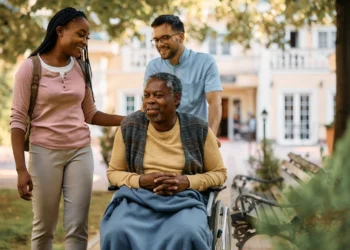





Being a caregiver is one of the most emotionally demanding roles a person can experience. While caregiving is often associated with compassion, patience, and sacrifice, the emotional realities behind it are rarely discussed openly.
Caregivers support aging parents, sick spouses, children with special needs, relatives recovering from illness, and loved ones facing long-term medical conditions. They manage medications, appointments, emotional support, transportation, finances, and countless daily responsibilities that slowly reshape their lives.
For many caregivers, the hardest part is not the physical work itself.
It is the emotional weight that builds quietly over time.
The exhaustion, guilt, grief, isolation, fear, and constant responsibility can become overwhelming, especially when caregivers feel they must stay strong for everyone else.
Understanding the emotional side of being a caregiver is important because millions of people experience these struggles silently every day.
Being a Caregiver Often Means Losing Personal Freedom
One of the hardest emotional realities of being a caregiver is the gradual loss of personal freedom.
Caregiving responsibilities can affect nearly every part of daily life.
Simple activities many people take for granted may suddenly become difficult, including:
- Traveling
- Socializing
- Resting freely
- Pursuing hobbies
- Maintaining personal schedules
- Spending uninterrupted time alone
Many caregivers feel constantly “on call.”
Even when they are physically away from caregiving responsibilities, they may remain emotionally focused on medications, emergencies, appointments, or the health of the person receiving care.
Over time, caregivers can begin feeling trapped between responsibility and personal needs.
That emotional conflict is often difficult to explain to others.
Emotional Exhaustion Builds Slowly
Caregiver exhaustion rarely appears suddenly.
It develops gradually through months or years of emotional responsibility.
Caregivers often suppress their own feelings because they believe their role requires constant strength and patience.
However, carrying emotional stress without recovery eventually becomes overwhelming.
Many caregivers experience:
- Mental fatigue
- Anxiety
- Sleep problems
- Irritability
- Emotional numbness
- Persistent stress
The emotional burden can feel especially heavy because caregiving often has no predictable endpoint.
Some caregivers live in long-term uncertainty about health outcomes, medical emergencies, or future care needs.
Watching a Loved One Decline Is Painful
Another emotionally difficult part of being a caregiver is witnessing physical or cognitive decline in someone deeply loved.
Caregivers may watch parents lose independence, spouses struggle with illness, or loved ones experience memory loss.
This creates a form of grief that develops gradually over time.
Even before death occurs, caregivers may grieve the loss of the person they once knew.
This emotional experience is often called anticipatory grief.
It can include sadness, fear, helplessness, and emotional confusion.
Caregivers may simultaneously feel grateful for remaining time together while mourning ongoing changes in the relationship.
Few experiences prepare people emotionally for this type of long-term grief.
Guilt Becomes a Constant Emotion
Many caregivers carry guilt almost every day.
They may feel guilty for:
- Feeling exhausted
- Becoming frustrated
- Wanting personal time
- Asking for help
- Feeling emotionally overwhelmed
- Not doing “enough”
Even caregivers making extraordinary sacrifices often feel they are falling short.
Some feel guilty balancing caregiving with careers, parenting, or relationships.
Others feel guilty because they sometimes miss the life they had before caregiving responsibilities intensified.
This emotional guilt can quietly contribute to anxiety and depression if left unaddressed.
Isolation Can Become Overwhelming
Caregiving often becomes emotionally isolating.
As responsibilities increase, caregivers may gradually lose connection with friends, hobbies, and social activities.
Many people outside the caregiving situation may not fully understand the emotional complexity involved.
Caregivers sometimes avoid discussing their struggles because they fear sounding negative, ungrateful, or emotionally weak.
Over time, this silence can deepen loneliness.
Isolation is one of the biggest contributors to caregiver burnout.
Human connection and emotional support are essential for long-term emotional health.
Financial Pressure Adds More Stress
For many families, caregiving also creates financial strain.
Expenses may include:
- Medical bills
- Medications
- Transportation
- Home care equipment
- Professional assistance
- Reduced work hours
Some caregivers leave jobs or reduce career opportunities to provide care.
Financial uncertainty can intensify emotional stress significantly.
Balancing emotional caregiving responsibilities with economic pressure often becomes one of the hardest parts of the experience.
Caregivers Often Ignore Their Own Health
Many caregivers focus so heavily on another person’s needs that they neglect their own physical and mental health.
Some skip:
- Medical appointments
- Exercise
- Sleep
- Healthy eating
- Emotional support
- Rest
Over time, stress affects both the mind and body.
Caregivers face increased risk of:
- High blood pressure
- Anxiety
- Depression
- Chronic fatigue
- Burnout
Ignoring personal health usually worsens emotional resilience and caregiving sustainability.
Family Dynamics Can Become Complicated
Being a caregiver can sometimes create tension within families.
Disagreements may emerge regarding:
- Financial decisions
- Medical care
- Living arrangements
- Shared responsibilities
- End-of-life planning
In some families, one person becomes the primary caregiver while others contribute less.
This imbalance may lead to resentment or emotional frustration.
Caregivers often feel unsupported even while carrying enormous responsibility.
Open communication becomes essential but is not always easy during emotionally stressful situations.
The Emotional Weight Is Often Invisible
One of the hardest parts about being a caregiver is that much of the struggle is invisible.
Caregivers may appear calm and capable externally while internally feeling exhausted and emotionally overwhelmed.
Because caregiving is associated with love and responsibility, many caregivers feel pressure to avoid complaining.
They may worry others will misunderstand their emotions.
However, acknowledging emotional difficulty does not reduce love or commitment.
It simply recognizes that caregiving is emotionally demanding.
Caregiving Can Also Deepen Love and Connection
Despite the challenges, caregiving can also create meaningful emotional moments.
Many caregivers experience:
- Deeper appreciation for loved ones
- Stronger emotional bonds
- Greater empathy
- Increased patience
- Personal growth
Small daily interactions often become deeply meaningful.
Sharing conversations, memories, quiet moments, or emotional support can strengthen relationships in powerful ways.
Many caregivers later reflect that while caregiving was one of the hardest experiences of their lives, it also taught them compassion, resilience, and emotional strength.
Asking for Help Is Important
Caregivers often believe they must handle everything independently.
In reality, caregiving becomes healthier and more sustainable when support is shared.
Help may come from:
- Family members
- Friends
- Community organizations
- Religious groups
- Professional caregivers
- Support groups
Accepting help is not failure.
It protects emotional health and reduces long-term burnout risk.
Self-Care Is Necessary, Not Selfish
One of the biggest lessons caregivers eventually learn is that self-care is essential.
Caregivers need:
- Rest
- Emotional support
- Personal time
- Healthy boundaries
- Medical care
- Mental recovery
Protecting personal well-being helps caregivers remain emotionally available and physically capable over time.
A caregiver cannot sustainably pour energy into others while completely neglecting themselves.
Why This Matters
Being a caregiver affects millions of families worldwide and carries major emotional, physical, and financial consequences.
Recognizing the emotional challenges caregivers face helps reduce stigma, encourage support systems, and improve mental health awareness.
Caregivers play a critical role in families and healthcare systems, yet many continue struggling silently without enough emotional support.
What Happens Next
Healthcare experts and advocacy groups are increasingly pushing for stronger caregiver support services, mental health resources, workplace flexibility, respite care access, and public awareness around caregiver burnout.
As populations age globally, caregiving is expected to become an even more central social and healthcare issue in the years ahead.